' |
||||||||||||
 |
||||||||||||
|
||||||||||||
 |


 |
 |
 |
 |
|
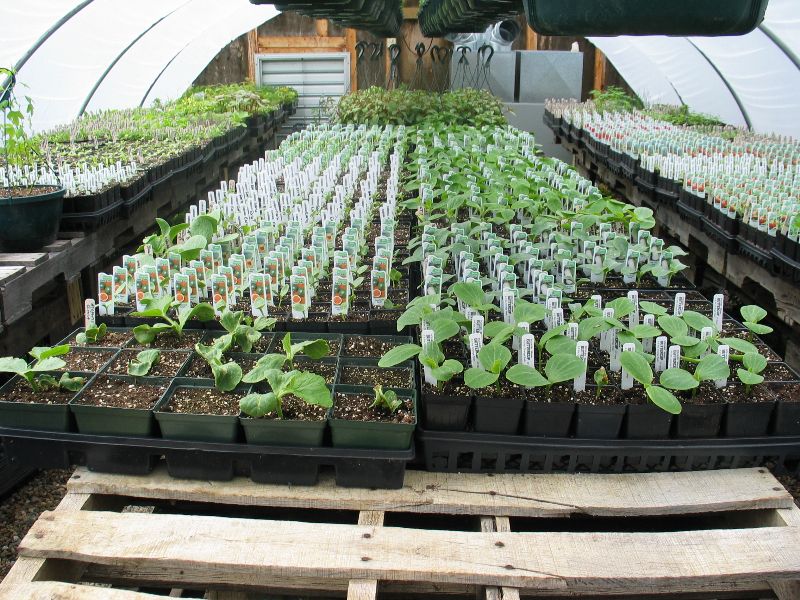
updated 05.22.22 Vegetable plants are offered in 3" square pots at $1.25 each, with the exception of a few items in 6 packs (see below) at $2.50 each. BEANS
BUSH
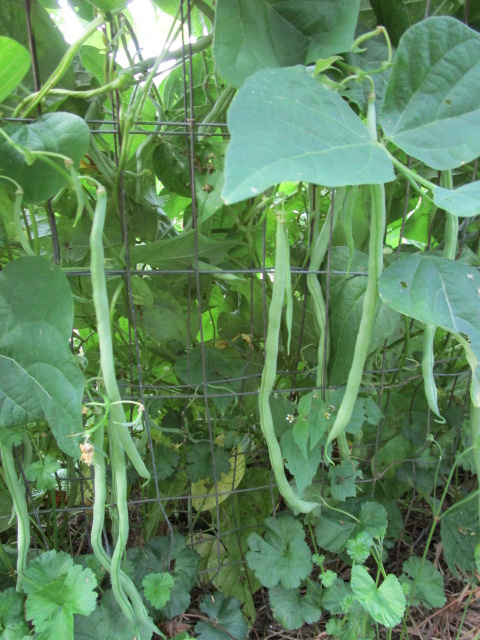
MAXIBEL – French filet green bean, also known as Haricot vert, with long, skinny, string-free pods. Heavy producer. 61 days. Limited.
POLE
Also available: Maxi Bush Bean - French Filet green bean - productive, compact bush-type plants, 65 days
BROCCOLI/CAULIFLOWER – Plant 12-18” apart after all danger of frost is past. Harvest main crown before flowers open. Some will produce side shoots for an additional harvest.
BROCCOLI
WALTHAM – Produces 4-8” blue-green heads with good flavor. Will produce some side-shoots on stocky 20” plants. 70-75 days.
CAULIFLOWER
SNOWBALL SELF BLANCHING – 55 days.
Also available: Romanesco Cauliflower, Di Cicco Broccoli
BRUSSELS SPROUTS
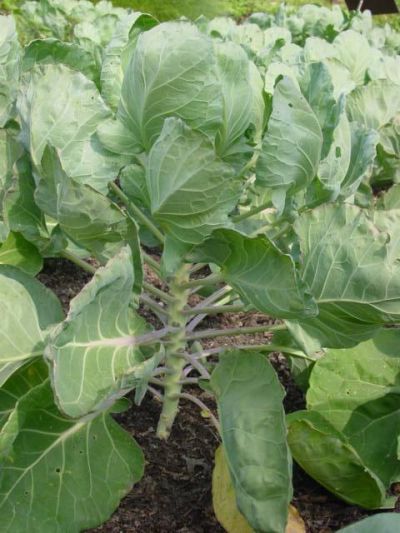
For some reason our Brussels Sprouts never seem to "tighten up". I believe it is because we're not giving them the attention they deserve. Some useful information on how to grow these can be found at the West Virginia Cooperative Extension. A PDF version is available on this page if you prefer to download a copy. Growing Brussels Sprouts
CABBAGE
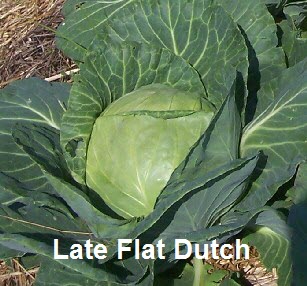
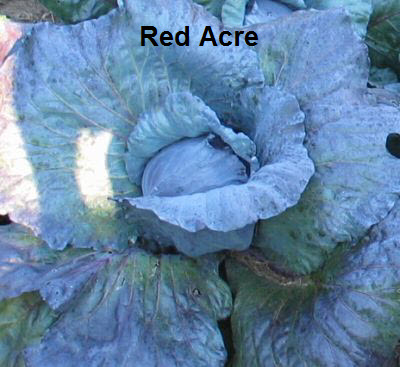
CARAFLEX F1 – up to 2lbs, very crunchy, sweet & tender; cone-shaped
Also available in limited quantities: Brunswick (6lb drumhead, pre-1880, becoming scarce), Early Jersey Wakefield (1840, 2-3lb cone-shaped, tender & flavorful), Savoy
CELERY
REDVENTURE - This variety has delicious chewy red stems that enliven soups, salads and casseroles. TALL UTAH 52-70 R IMPROVED CELERY
Also available in limited quantities: Chinese Pink
CUCUMBERS – Plant 18-24” apart after the soil has warmed to 65° or higher. Harvest often, when they are 2-4” long, to keep the plants producing. Mulching helps to control weeds with “bush” type cucumber plants.
BURPLESS BEAUTY – Sweet, crispy & burpless! 60 days. HOMEMADE PICKLES - Solid crisp interior and great flavor; best at 4-6". Can be grown on a trellis. 60 days. SOLD OUT
PICKLE BUSH - Bush type pickling cucumber with vines 2-4' long.
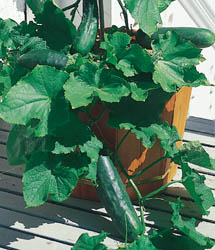
SPACEMASTER – Bushy 2 ½-3’ vines produce 6-8” cucumbers that are crisp and juicy. Can be grown in containers or even hanging baskets. 56 days.
Also available in
limited quantities: English Long Telegraph, Green
Fingers, Marketmore 76,
PING TUNG LONG - Early prolific producer of 10-15" long, 1-2" wide tasty fruit.
Also available: Rosa Bianca SOLD OUT
GREENS
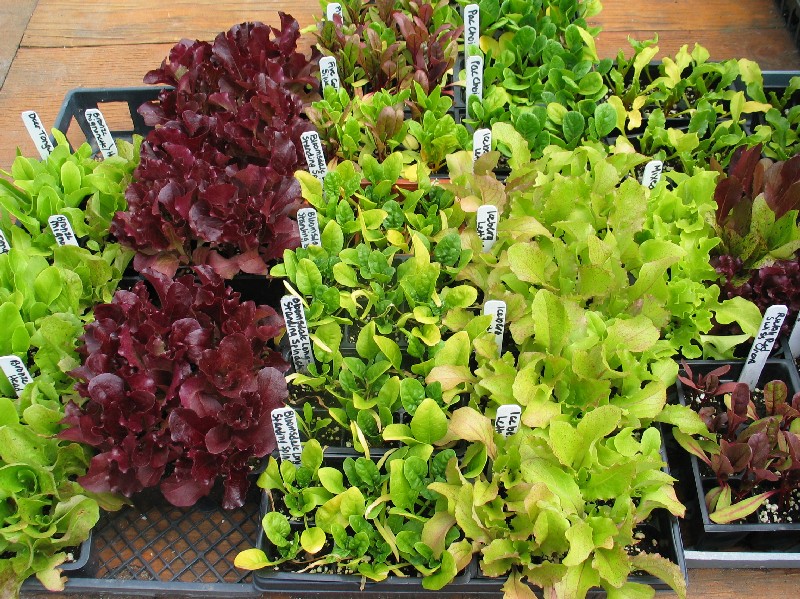
The following are available as 6 packs @ $2.50 each:
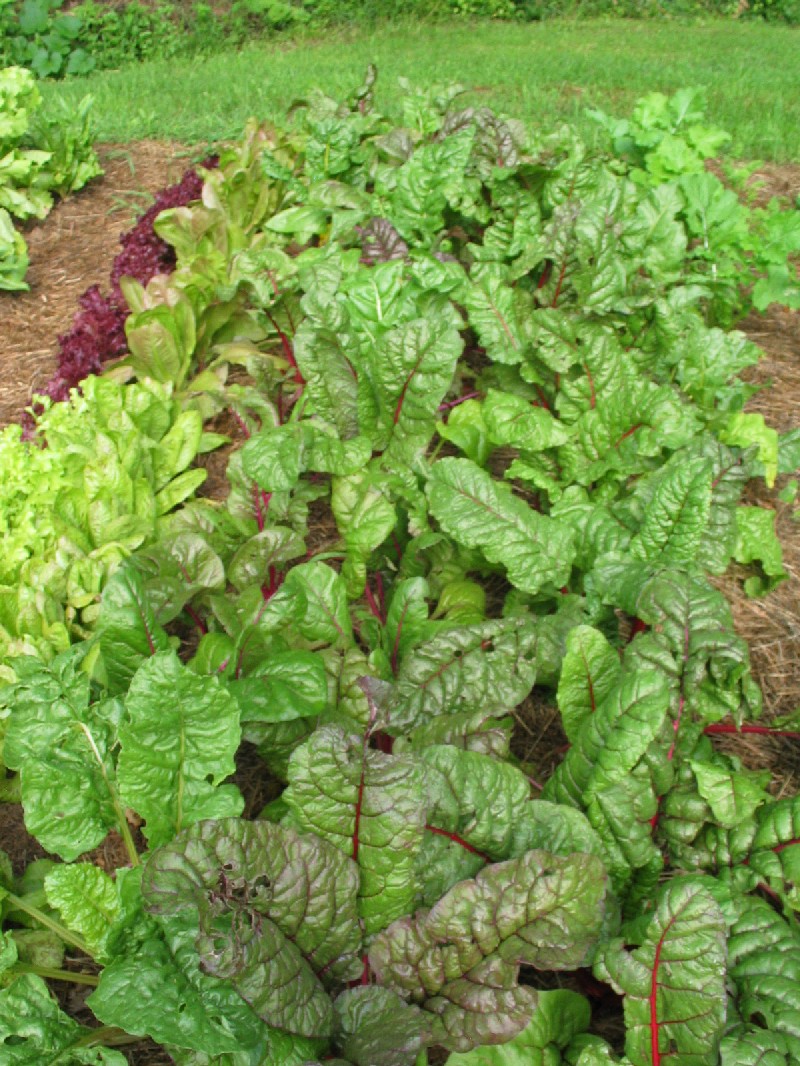
BEETS - Mix LETTUCE – Mix SPINACH – Mix SWISS CHARD – Mix
(These six packs contain more than 6 plants...see 2nd pic below.)
MELONS – Plant 1-3 plants in hills 24” apart. Consistent watering is required. Melons don’t like competition for nutrients. Mulching around the vine helps with moisture retention and weed control.
BURPEE'S AMBROSIA HYBRID CANTELOUPE – Small 5lb melons have sweet, juicy, orange flesh. Mildew resistant. 86 days.
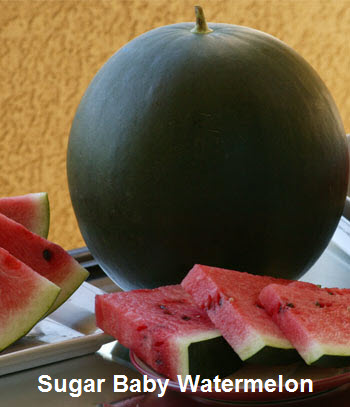
SUGAR BABY WATERMELON – Small 8-10lb watermelons with sweet, deep red flesh. 80 days.
Also available in limited quantities:
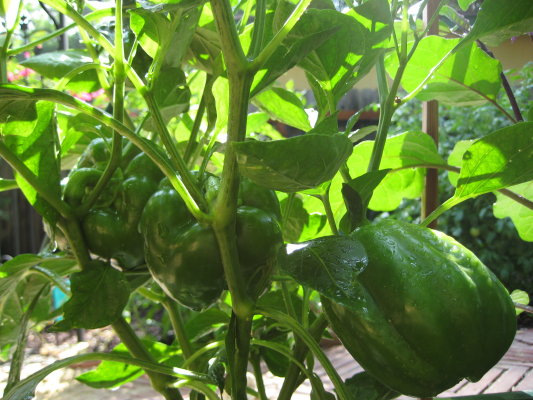
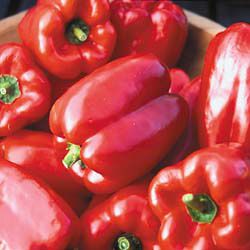
PEPPERS – Plant 12-18” apart in full sun. Peppers love the heat, but are not drought tolerant. Mulch well and keep them watered evenly. Pick often when they reach the desired size so the plant will continue to produce.
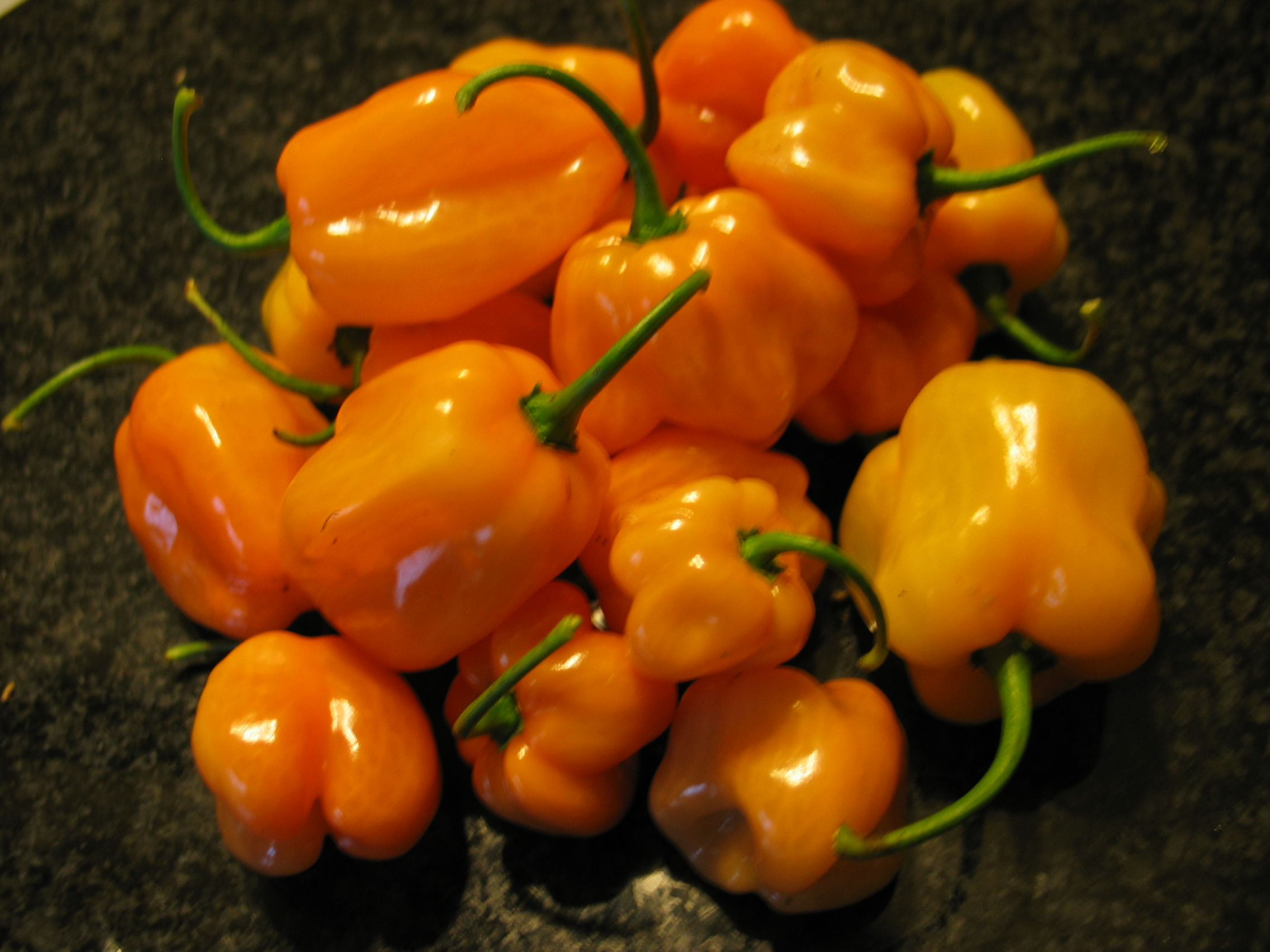
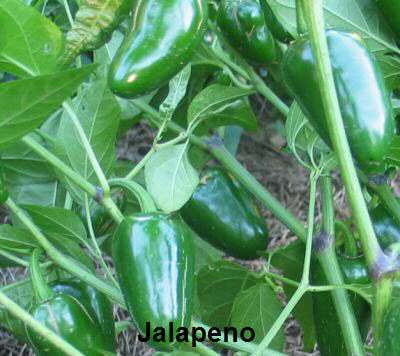
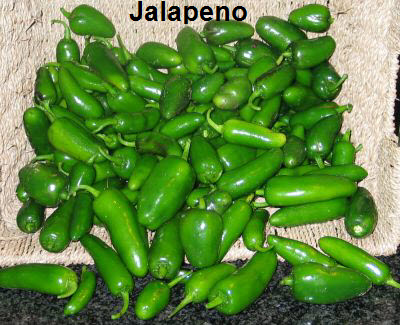
HOT PEPPERS
Also available in
limited quantities (some VERY limited): 7 Pot Chocolate, Aji
Crystal,
SWEET PEPPERS
CHOCOLATE CAKE – Produces early, good yields of thick-walled, sweet fruit that ripens from green to reddish-brown.
GOLDEN CALIFORNIA WONDER – Similar to the California Wonder in size and flavor, but turns yellow when ripe.
ORANGE SUN – Super sweet bells that start green and turn orange when ripe. SOLD OUT
Also available in limited quantities:
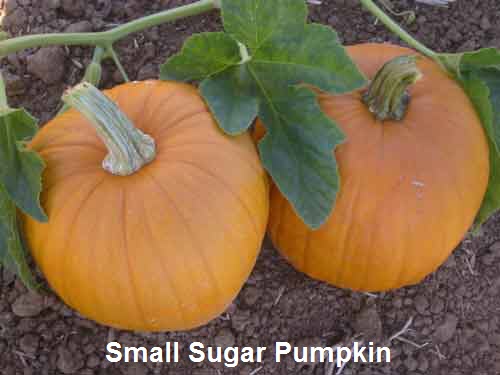
PUMPKINS – Plant 2-3’ apart
after frost danger. Pumpkins
are heavy feeders so enrich the soil with lots of organic
compost.
Insect control is crucial to getting a good crop. Long
term storage is possible – pick, “cure” and store the same
as winter squash.
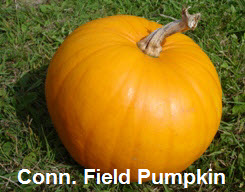
CONNECTICUT FIELD – Produces 15-25lb orange fruits that are good for carving or eating. One of the oldest varieties in North America, predating European settlement.
NEW ENGLAND PIE – Excellent for pies! 6-7lbs.
Also available in limited quantities: Atlantic Giant, Lumina, Red Warty Thing
CHERRY/GRAPE
RIESENTRAUBE – German heirloom grown as early as 1856 in the US by the Pennsylvania Dutch. Heavy yields of 1" red cherry tomatoes in clusters of 20-40. Name translates to "giant bunch of grapes". SOLD OUT
SOLD OUT
SAUCE
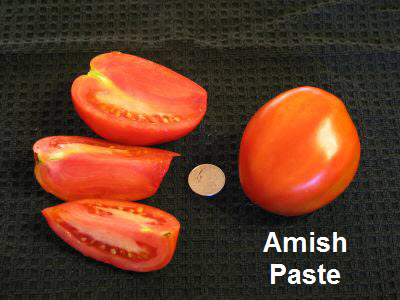
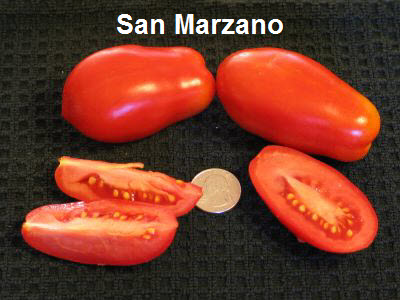
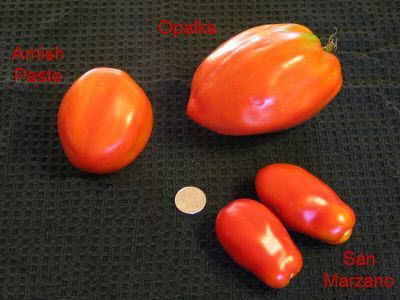
AMISH PASTE – Large, 6-8oz fruits are good for sauce, ketchup, canning and slicing.
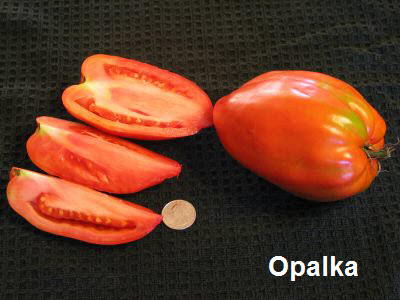
OPALKA – A large, meaty, dry tomato that is excellent for making sauce or paste. This heirloom has a distinct point on the bottom of the fruit. These are what we grow for making our own sauce.
SLICING
KELLOGG'S BREAKFAST –
A strange name for this large, orange beefsteak type. This
heirloom is named for Darrell Kellogg, a railroad supervisor
from
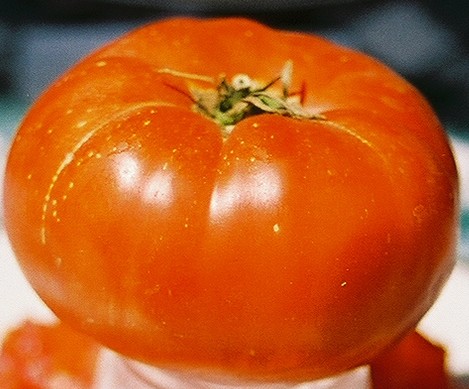
YELLOW BRANDYWINE – Huge 1-1½lb fruits with an excellent flavor. Like the beefsteak, these are somewhat irregular and flat tomatoes.
The following varieties are available in limited quantities: (strike through items are sold out)
Absinthe,
WINTER SQUASH – “Winters” come in many sizes and shapes. Plant one per hill and pick before a heavy frost. Cut the stems at 1” or further from the fruit. Let the skin “cure” in the sun for several hours after picking. Turn to expose the entire squash to the sun before storing in a cool, dry place.
SPAGHETTI – Plants produce an abundance of cylindrical yellow 8-12" squash that can be stored for a few months in a cool, dry place.
Also available: Delicata Honey Boat, Golden Delicious, Honeynut
|